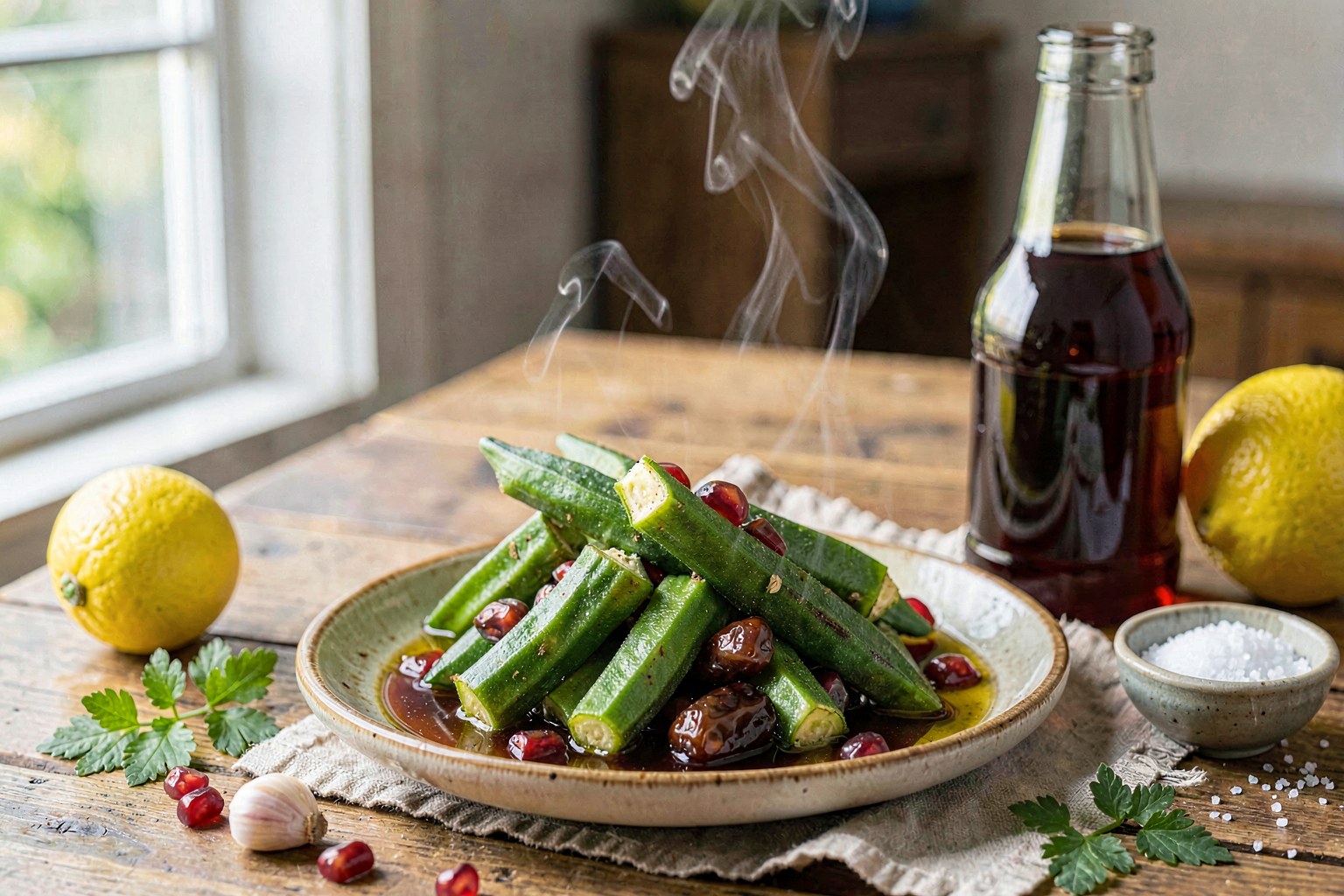
Spicy Vegetable Tibs (Za'atar-Infused Ethiopian Sauté)
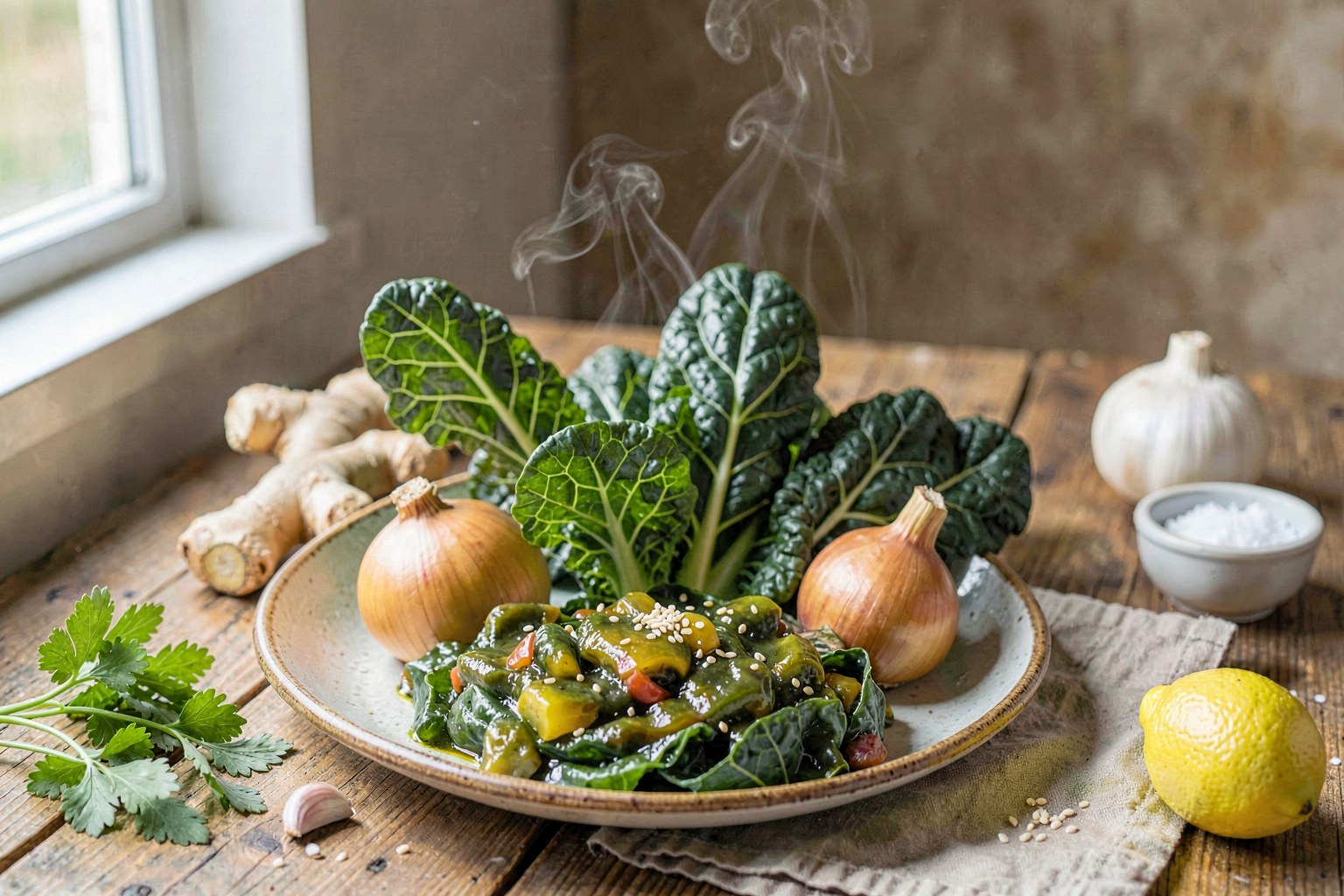
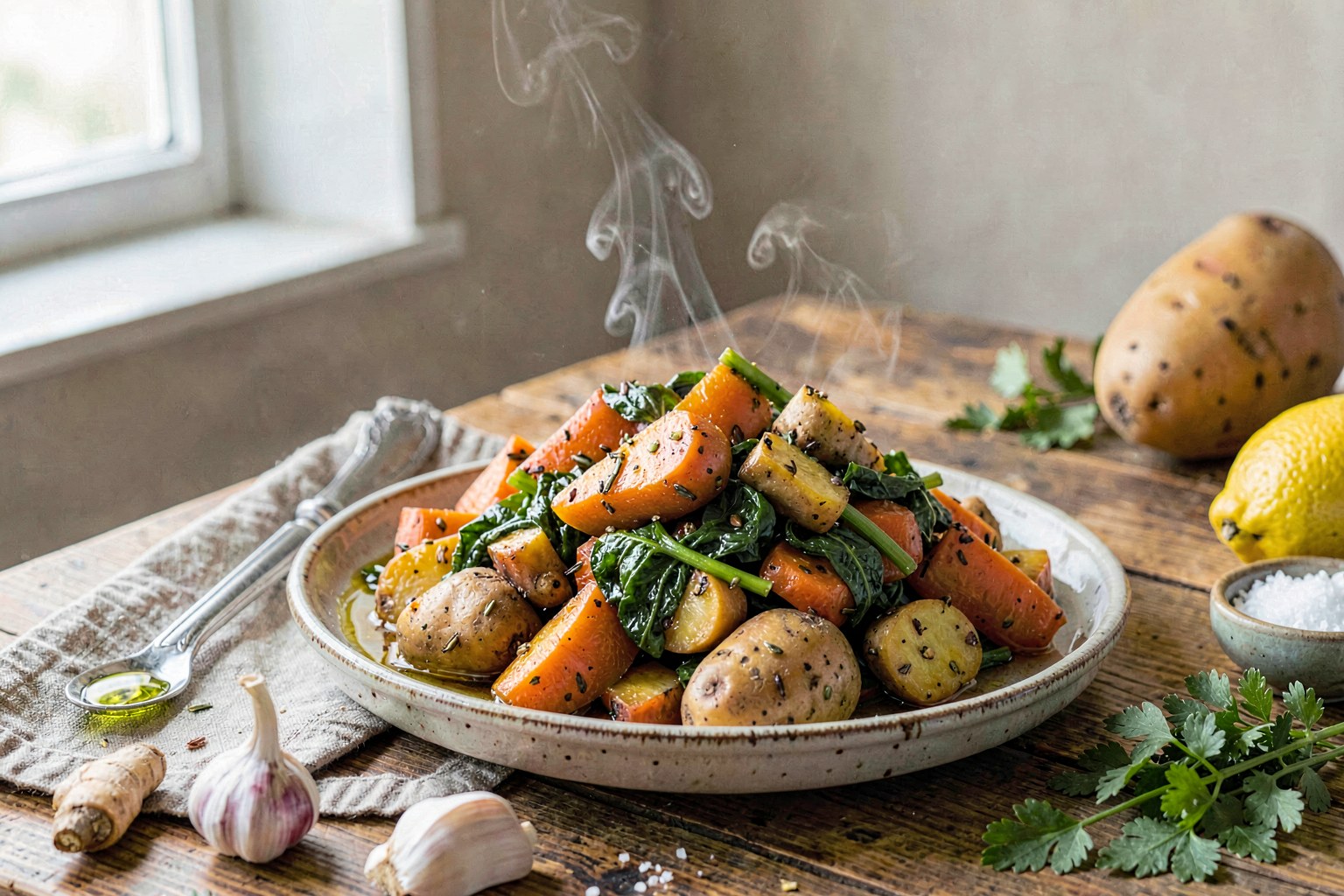
This vibrant, farm-fresh take on traditional Tibs features a medley of seasonal root vegetables and bitter greens sautéed in a fiery, polyphenol-rich infused oil. Instead of the seed-oil-heavy shortcuts often found in modern adaptations, we use a slow-infused extra-virgin olive oil and fresh berbere spice blend to create deep, complex heat without any refined sugars or artificial preservatives. Perfect for scooping up with warm, homemade or high-quality sourdough injera, this dish delivers a satisfying, nutrient-dense dinner that honors the Ethiopian tradition of communal, plant-forward eating.
A little context
Tibs is a cornerstone of Ethiopian cuisine, traditionally a sautéed dish of meat or vegetables served with berbere spice and niter kibbeh (spiced clarified butter). In this Blueprint-aligned version, we honor the tradition by making the berbere from scratch using whole spices to avoid hidden sugars and anti-nutrients found in commercial blends. We substitute the traditional ghee with high-quality, cold-pressed extra-virgin olive oil, which maintains the dish's richness while aligning with a heart-healthy, longevity-focused fat profile, and we omit the sugar often added to balance the heat in contemporary restaurant versions.
The longevity story
The nutritional foundation of this dish lies in the synergy of polyphenol-dense ingredients: the extra-virgin olive oil provides oleocanthal and oleuropein, while fresh turmeric and ginger offer potent curcumin and gingerol for systemic inflammation reduction. The inclusion of bitter greens like collard greens or kale supplies high levels of magnesium, calcium, and fiber, which support gut motility and blood sugar regulation. By avoiding refined sugars and seed oils, we prevent the oxidative stress and glycemic spikes that undermine metabolic longevity, ensuring the meal supports cellular repair and mitochondrial health.
Method
- 01
Prepare the Fresh Berbere
In a dry skillet over medium-low heat, toast the coriander, fenugreek, cumin, and cardamom seeds for 2-3 minutes until fragrant. Add the dried red chilies and black peppercorns, toasting for another minute. Transfer to a spice grinder or mortar and pestle, add the cloves, and grind to a fine powder. Stir in the sea salt and set aside.
- 02
Infuse the Olive Oil
In a small saucepan, combine the extra-virgin olive oil, grated fresh turmeric, grated fresh ginger, and smashed garlic cloves. Warm over low heat for 10 minutes, ensuring the oil does not smoke or fry the aromatics. The goal is to extract the compounds, not cook them. Remove from heat and let steep while you prep vegetables. Strain out the solids if a smooth oil is desired, or leave them in for extra flavor.
- 03
Sear the Root Vegetables
Heat 3 tablespoons of the infused oil in your cast-iron skillet over medium-high heat. Add the potato cubes in a single layer. Do not crowd the pan; if necessary, cook in batches. Sear without moving for 4-5 minutes until a golden crust forms. Flip and sear the other side for another 3-4 minutes. Remove and set aside. Repeat with the carrot slices.
- 04
Sauté the Aromatics and Peppers
Add another 2 tablespoons of infused oil to the skillet. Toss in the red onion slices and bell pepper strips. Sauté for 5-7 minutes, stirring occasionally, until the onions are translucent and the peppers are slightly charred at the edges. Add the minced fresh garlic and ginger, cooking for 1 minute until fragrant.
- 05
Bloom the Spices
Reduce heat to medium. Add the freshly ground berbere spice blend to the skillet. Stir constantly for 1-2 minutes to toast the spices in the oil, releasing their essential oils. Be careful not to burn them. If the pan is too dry, add a splash more infused oil.
- 06
Combine and Steam
Return the seared potatoes and carrots to the skillet. Add the chopped kale or collard greens. Pour in 60 ml (1/4 cup) of water or vegetable broth (homemade, no salt) to create steam. Cover the skillet and reduce heat to low. Cook for 10-12 minutes, stirring once halfway, until the root vegetables are tender when pierced with a fork and the greens have wilted.
- 07
Final Reduction and Seasoning
Remove the lid. Increase heat to medium-high. If there is excess liquid, let it evaporate until the vegetables are coated in the spiced oil and slightly caramelized. Taste and adjust with a pinch more salt if needed. The dish should be moist but not soupy.
- 08
Garnish and Serve
Transfer to a serving platter. Drizzle with a final teaspoon of the reserved infused oil for a fresh kick. Garnish generously with chopped fresh parsley and sliced green chilies if using. Serve immediately while hot.
Nutrition facts
Per serving · 1 of 4- — Saturated
- 5 g
- — Polyunsaturated
- 4 g
- Carbohydrates
- 55 g
- — Fiber
- 12 g
- — Sugars
- 13 g
- Cholesterol
- 1 mg
- Sodium
- 670 mg
- Potassium
- 1723 mg
Estimated from USDA FoodData Central for matched ingredients (76% ingredient coverage). Values vary with brand, preparation, and exact measurements.
Pro tips
- ✦Sourcing the greens: Look for kale or collards with deep, dark green leaves and firm stems; avoid any with yellowing edges or slimy texture, as this indicates oxidation and nutrient loss.
- ✦Toasting spices is non-negotiable: Whole spices lose their potency quickly once ground. Toasting them in a dry pan right before grinding unlocks the volatile oils that provide the anti-inflammatory benefits.
- ✦Don't rush the sear: When cooking the potatoes and carrots, resist the urge to stir immediately. Letting them sit in the hot oil creates a Maillard reaction crust that adds depth of flavor and prevents them from turning mushy.
- ✦Oil quality matters: Since this dish relies on the oil for both cooking and flavor, use a high-quality, cold-pressed extra-virgin olive oil with a peppery finish, which indicates high polyphenol content.
- ✦Heat management: If you are sensitive to heat, remove the seeds from the fresh chilies and dried red chilies before grinding, as the seeds hold the majority of the capsaicin.
Shop this recipe
As an Amazon Associate we earn from qualifying purchases.
Substitutions
- kale or collard greens → spinach or Swiss chard (add these in the last 2 minutes of cooking as they wilt much faster)
- russet potatoes → sweet potatoes or purple potatoes (sweet potatoes add natural sweetness; purple potatoes offer higher anthocyanin content)
- fresh turmeric and ginger → ground turmeric (1 tsp) and ground ginger (1/2 tsp) (fresh is superior for bioavailability, but ground works in a pinch)
- extra-virgin olive oil → avocado oil (avocado oil has a higher smoke point but slightly lower polyphenol profile; EVOO is preferred for this specific application)
Storage
Store in an airtight glass container in the refrigerator for up to 4 days. The flavors often improve after a day as the spices fully integrate. Reheat gently in a skillet with a splash of water or broth. Not recommended for freezing as the texture of the greens and potatoes may degrade.
What to serve with it
- Warm, sourdough injera (made with teff flour for gluten-free and high-fiber benefits)
- Freshly brewed green tea to complement the earthy spices
- Sparkling water with a squeeze of fresh lemon and a sprig of mint
- A dry, organic Ethiopian red wine (if alcohol is consumed)
FAQ
Can I make the berbere spice blend ahead of time?+
Yes, you can grind the spices up to 2 weeks in advance and store them in an airtight glass jar away from light. However, for maximum polyphenol potency and flavor, grinding fresh is always superior.
Is this dish spicy?+
It has a moderate heat level typical of Ethiopian cuisine. You can adjust the heat by varying the amount of dried red chilies or by removing the seeds from the fresh chilies. The heat should provide a warm glow, not overwhelming pain.
Can I add legumes to make it more protein-rich?+
Absolutely. Adding cooked chickpeas, lentils, or fava beans in step 6 is a traditional variation. Ensure they are well-rinsed and heated through during the steaming phase.
Share this recipe
Notes from the community
Sign in to leave a note.
No notes yet — be the first.
You might also like